The Kawaii Elephant & Lion Balancing Act
As a designer who spends most days evaluating embroidery files for real client projects, I have a simple rule: a design must spark a clear vision for its final, stitched form. When I first opened the "Balance Scale - Elephant Lion - Kawaii" file, that vision appeared instantly. It’s a charming, whimsical scene perfect for a specific niche of handmade goods.
A First Impression of Playful Harmony
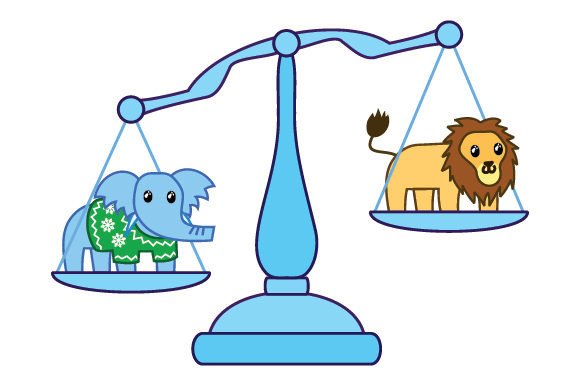
The mood here is undeniably sweet and friendly. Two adorable, stylized animals—an elephant and a lion—sit balanced on a simple scale. The kawaii style softens their features, making them approachable rather than majestic. This isn't a wildlife design; it's a design about friendship, fairness, or gentle opposites. The layout is clean and centered, with enough white space around the elements to ensure it won't feel cramped on a garment. The detail level is thoughtfully moderate: outlines are clear, and the internal details are simplified enough to stitch cleanly without becoming a dense, thread-heavy block. Its visual personality leans towards nursery decor, personalized gifts for children, or lighthearted apparel for anyone who loves cute animal art.
The Natural Home for This Embroidery Project
I immediately pictured this design on a baby’s organic cotton sweatshirt or a linen pillow cover in a child’s room. It would make a wonderful focal point on a tote bag for a teacher or a librarian, subtly reinforcing themes of balance and learning. For an Etsy seller specializing in kids' apparel or nursery decor, this file is a ready-made asset. I also considered it for a custom apron—perhaps for a science teacher or a caregiver—where the theme adds a personal touch without being overly commercial. The "School Amp" categorization makes sense here; it has that educational, character-building vibe without being overtly academic. As a craft business product, its appeal is in its emotional resonance rather than trendiness.
Where This Design Excels in Real-Life Stitching
On stable, medium-weight fabrics, this design will perform beautifully. Think cotton twill for a cap, canvas for a tote, or a standard quilting cotton for a pillow. The clear separation between the two animals and the scale structure means satin stitches for outlines and fill stitches for the larger internal areas should render with good clarity. For apparel decorators, a left-chest placement on a polo shirt or a centered position on a sweatshirt would work well. As an embroidered patch, it would be highly recognizable and giftable. For holiday gifts, imagine it stitched onto a tea towel as a unique teacher’s gift or onto a blanket for a newborn. The finished product feels handmade and special, boosting perceived value for small shop merchandise.
Spots Where You Should Proceed with Care
The design’s success depends on mindful application. On very small hoop sizes, some of the finer details—like the animals' facial features or the scale's chain links—might lose definition. I’d avoid stitching it directly onto thin, stretchy fabrics like a standard t-shirt without excellent stabilizer, as any pull could distort the balanced symmetry. Dark fabric backgrounds require careful thread color selection to maintain the kawaii brightness; it might need a lighter, more vibrant palette to pop. Curved surfaces like caps are possible, but the centered, somewhat wide layout means you must confirm the available flat area on the cap front. For products requiring frequent washing, ensuring high-quality thread and secure stitches is paramount to preserve the design’s cheerful appearance.
Practical Impact on Your Craft Business
Using a design like this effectively influences buyer engagement. Its clear, friendly theme makes it easy for customers to understand and connect with on a product listing. It enhances handmade presentation by offering a complete, coherent graphic rather than a fragmented pattern. For brand consistency, a shop focusing on cute, educational, or children’s items could make this a signature style. From a professional standpoint, delivering a cleanly stitched version on a finished product builds customer trust—it shows you chose a design with good visual structure and stitchability.
Embroidery Designer Notes Before You Hoop
My standard process applies here. Always test the "Balance Scale - Elephant Lion - Kawaii" design on scrap fabric of the same type you plan to use. This reveals the true stitch density and how the machine embroidery file handles the transitions between elements. Check thread color contrast against your final fabric, especially if deviating from a white or light background. Review the small details in your test run; are the tiny eyes and smiles stitching cleanly? Confirm your intended hoop size can accommodate the design without compressing the layout. I also recommend creating simple black and white mockups to see how it reads as a silhouette, which helps assess its fundamental shape strength. Using proper stabilizer for your specific fabric is non-negotiable for preserving this design’s balanced lines.
Since the provided formats include SVG, Transparent PNG, EPS, and DXF, you have flexibility for digital product previews and printable mockups. This is useful for Etsy sellers and digital product sellers creating listing images. A crucial final note: always confirm the licensing terms for this digital embroidery file before selling finished items or commercial embroidery projects. The description does not specify this, so it’s your responsibility to verify whether your use for craft business products is permitted.
In summary, the "Balance Scale - Elephant Lion - Kawaii" design is a charming, well-structured file ideal for projects targeting a sweet, playful mood. It’s not a universal design for every product, but within its natural domain—children’s items, gifts, and lighthearted decor—it offers a solid foundation for creating a professional, appealing handmade product. Approach it with practical testing, and it can become a reliable asset in your embroidery project toolkit.