Beyond the Classroom: The Real-World Charm of 'Teacher Grading Tests'
When an embroidery file lands in my library, I don’t just look at the digital preview. I imagine it stitched out. I picture it on fabric, in a project, on a shelf, or in a customer’s hands. That’s the lens I’m using today for ‘Teacher Grading Tests’. This isn’t a product description; it’s a practical design review from someone who stitches designs onto real things for real people.
The First Impression: A Quiet, Warm Professionalism
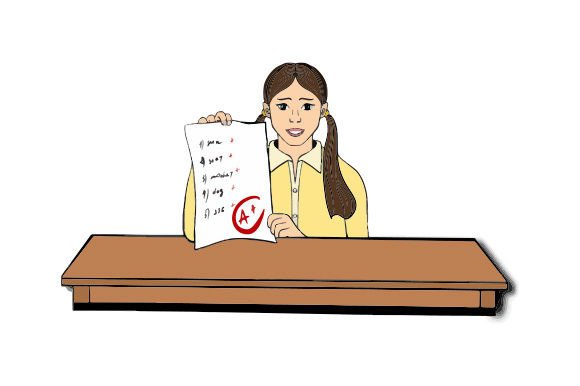
The first thing I noticed about ‘Teacher Grading Tests’ is its mood. It doesn’t shout. It has a quiet, warm professionalism. The theme is instantly recognizable—the classic grading pencil, the paper, the “A+”—but the layout feels balanced and thoughtful. It’s not overly cluttered or cartoonish. This gives it a visual personality that straddles sincere appreciation and lighthearted charm. It feels like it belongs on something meant to be kept, used, and seen regularly, not just a quick novelty item.
Where This Design Naturally Thrives
In my mind, this design immediately maps to a few specific project types. I’m thinking of a custom embroidered tote bag for a teacher’s school supplies, or a cozy, high-quality sweatshirt for a retiring educator. It would be perfect on the corner of a pillow cover for a teacher’s reading nook, or as a heartfelt, personalized gift on a kitchen towel for a teacher who also runs a household. For craft business owners, this file is a solid candidate for a simple, clean embroidered patch—something that could be applied to a backpack or a denim jacket. Its clear theme makes it an excellent choice for small shop merchandise around back-to-school season or Teacher Appreciation Week.
For boutique branding or a creative entrepreneur selling digital embroidery files, ‘Teacher Grading Tests’ acts as a reliable design asset. It’s recognizable, which aids in buyer engagement when used in printable mockups for your shop. It conveys a specific sentiment without needing explanation, which is gold for giftability.
The Practical Stitching Considerations
Now, let’s talk about how this design would perform in the hoop. The detail level suggests some areas to pay attention to. The pencil tip, the small lettering on the “A+”, and any fine lines between the paper and pencil are where stitch clarity will be crucial. On textured fabrics like a sweater or a canvas tote, these finer details will need proper stabilizer and possibly a slight reduction in speed to keep them sharp.
I’d be cautious using this on very small hoop sizes. Condensing all those elements into a tiny area could lead to dense stitch areas that might feel stiff on thin or stretchy fabric, like a baby tee or a lightweight cap. It’s better suited for a medium-sized placement where the elements can breathe. On dark fabric, thread color contrast is key—a bright, clean white or a contrasting color palette will make this design pop and maintain its professional look.
Where to Use With Care
Curved surfaces like caps can be tricky if the design is too wide or rectangular; a test stitch on a scrap of similar fabric would be wise. For products that need frequent washing—like aprons or tea towels—you’ll want to ensure the stitch density isn’t so high that it compromises the fabric’s flexibility over time. And while the design isn’t overly complex, those detailed corners and tiny accents mean it might not be the best choice for a first-ever embroidery project on a challenging material.
Adding Value to Your Work
From a business perspective, ‘Teacher Grading Tests’ affects more than just aesthetics. On a finished product, its clean execution and relatable theme enhance perceived product value. It feels crafted, not generic. That builds customer trust and elevates your handmade presentation. For a small business owner or Etsy seller, using a design with this kind of clear, professional appeal supports brand consistency if you specialize in educator gifts or school-themed items.
It’s a design that tells a story, which is powerful for engagement. A customer seeing this embroidered on a baby blanket for a teacher-mom, for instance, immediately understands the thought behind it. That recognition is invaluable.
Essential Designer Notes Before You Hoop It
Before you run this machine embroidery design for a client project or your own craft business items, here’s my realistic checklist:
- Always test on scrap fabric first. Use both a light and dark background to judge thread needs.
- Review the stitch density in your software preview. Does the fill stitch area look overly solid for your target fabric?
- Confirm the hoop size you plan to use allows all elements, especially the smaller ones, to stitch clearly.
- Inspect the small details in the file. Are there any single-line running stitches that might need reinforcement for durability on apparel?
- Consider creating black and white mockups if you’re selling the finished product online—it helps visualize the design form without color distraction.
- Use proper stabilizer for your chosen fabric. This isn’t a design you want to risk puckering.
- Crucially, check the licensing terms provided with the file. Understand whether it’s suitable for personal projects, commercial embroidery, or selling as part of your digital product line. Don’t assume.
Since the product description notes it includes SVG, Transparent PNG, EPS, and DXF formats, that versatility is great for different applications. But I always advise confirming your specific machine compatibility with the embroidery file format you choose.
The Final Verdict for Makers
‘Teacher Grading Tests’ is a design with a strong, specific audience. Its real-world charm lies in its understated execution of a universally understood theme. It’s not a flashy trend piece; it’s a reliable, warm design that would stitch out nicely on a range of keepsake and usable products. For the designer, crafter, or small shop owner looking to create something that feels genuinely appreciative and professionally made, this file offers a solid foundation. Just remember to treat it with the practical respect any good embroidery design deserves—test, stabilize, and stitch with the end product always in mind.