A Voice Level Chart Design for Crafters and Educators
Let's talk about Learning Voice Levels - Anchor Charts as a potential embroidery asset. When I first looked at this design, my immediate thought was: this is for a maker who serves the education community. It's a specific, functional piece of graphic design, translated into an embroidery file. The mood it creates is organized, helpful, and classroom-friendly. It has a visual personality that's clean and instructional, rather than purely decorative. That tells me its natural home isn't on a random tee, but on a product for a teacher, a homeschool parent, or perhaps a child's learning-focused item.
Where This Design Finds Its Perfect Project
Imagine you're an Etsy seller preparing a custom order. A teacher requests a personalized tote bag for her classroom supplies. She wants something useful and cheerful. This anchor chart design, embroidered neatly on the front of a sturdy canvas tote, becomes both a practical reminder for her students and a unique professional accessory. It turns a simple bag into a specialized tool. That's the kind of real-life scenario where this design shines. It could equally transform a simple apron for a playful kindergarten aide, or become a detailed patch sewn onto a reading nook pillow in a child's bedroom.
For small business owners targeting educators, this isn't just an embroidery file; it's a product niche. Stitched onto a sweatshirt, it becomes a "teacher lounge" casual uniform. On a tea towel in a classroom kitchen area, it's a gentle, constant reminder. The design's layout, with its clear levels and descriptive text, offers inherent value because it communicates a function. A customer isn't just buying a pretty stitch; they're buying a useful concept rendered in thread.
The Stitching Reality: Clarity and Application
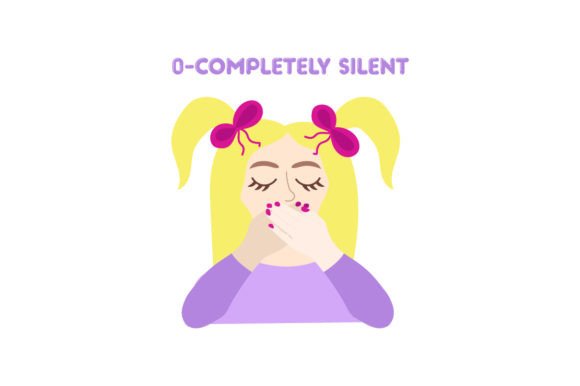
In practical embroidery, the success of this design hinges on clarity. The text elements—"Silent," "Whisper," "Partner," "Group," "Speaker"—are the core. They need to stitch out cleanly, without thread breaks or fuzzy edges, to maintain that organized, authoritative look. This is where your machine setup and choices become critical. Using a good, appropriate stabilizer is non-negotiable, especially if you're applying this to a textured fabric like a tote bag or a stretchy fabric like a sweatshirt. The design's visual appeal is directly tied to stitching precision.
For visual appeal and customer trust, a neat, well-executed stitch of this design communicates professionalism. It shows you understand the subject matter and respect its purpose. For a handmade presentation, it elevates a basic craft into a considered educational product. That boosts giftability—think teacher appreciation gifts, start-of-the-year presents, or gifts for homeschool families. The recognition is instant: anyone in education knows what an anchor chart is, and that immediate understanding creates engagement.
Careful Considerations Before Hooping Up
This design demands some thoughtful planning. The detail level includes multiple text labels and symbolic illustrations (like the speaker icon). On small hoop sizes, those smaller letters could become a challenge, potentially too dense or losing definition. I would strongly advise testing on scrap fabric first. This isn't a design you want to run blindly onto a final product, especially a dark fabric where thread color contrast is paramount. You need to see how the "Silent" or "Whisper" text reads at your intended size.
Layered garments or curved surfaces like caps might not be the best fit here. The design’s informational nature benefits from a flat, readable canvas—the front of a tote, the back of a pillow, the center of an apron. Textured fabrics could break up the clean lines. And consider products that need frequent washing, like baby clothes or kitchen towels. A design with this many elements needs durable stitching to withstand laundering without fraying or pulling. A denser fill stitch in the chart areas might hold up better than fine running stitches for the text, but you'll only know by testing.
Notes from the Worktable
My practical advice as a designer reviewing this for real use? First, check your thread color palette. This design likely relies on contrast between the chart, the text, and the icons. Play with black and white mockups digitally to understand the composition before you commit thread. Compare how it would look on a light background versus a dark one—the entire mood and readability can change.
Always, always confirm the specifics before starting a commercial project. While the provided formats—SVG, PNG, EPS, DXF—are versatile for digital use and machine compatibility, the exact stitch count, optimal hoop size, and licensing terms for selling finished items are details you must verify. Don't assume. If you're an apparel decorator or a digital product seller creating printable mockups, knowing whether the license covers commercial embroidery projects is essential. This step protects your craft business and builds a foundation of professional integrity.
Ultimately, Learning Voice Levels - Anchor Charts is a specialized design asset. It won't be for every project or every customer. But for the maker serving the education niche, the crafter creating purposeful gifts, or the boutique focusing on school-related merchandise, it's a thoughtful and potentially valuable addition to your embroidery library. Its success lies not in universal decoration, but in targeted application. Stitch it well, place it thoughtfully, and it becomes more than a craft—it becomes a tool, a gift, and a statement of thoughtful creation.