A Friendly Orca Swimming with Kawaii Fish
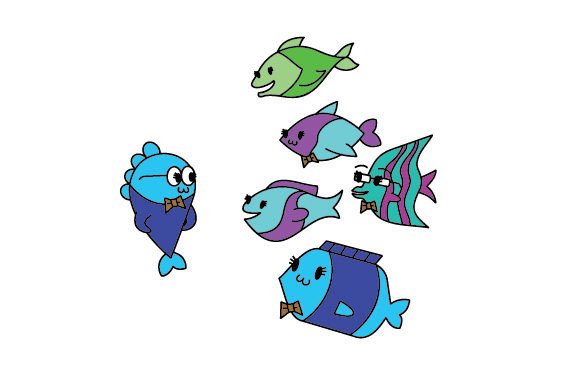
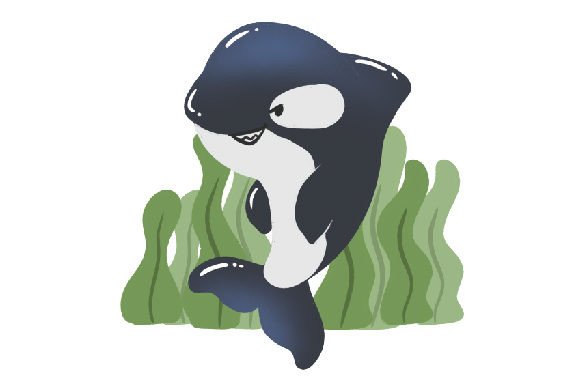
When I first saw the Orca, Kawaii School of Fish design, I smiled. It's a genuine, lighthearted moment captured in a simple, watercolor-style illustration. The mood isn't intense or dramatic; it's playful and sweet. The central orca has a gentle, almost smiling curve, surrounded by those cheerful little fish. The overall layout is balanced, not overly crowded, and the level of detail suggests it would translate beautifully into stitches without becoming a dense, time-consuming project. Its visual personality feels welcoming, making it a design that naturally belongs on gifts, children's items, or any product meant to convey a sense of whimsical friendship.
Where This Design Finds Its Perfect Home
In practical use, this design’s charm opens up a lot of doors. Imagine it on a custom tote bag for a marine biology enthusiast or a nature-loving friend. It would be a standout, gentle feature on a baby’s blanket or a sweatshirt for a child. As an embroidered patch, it could adorn a backpack or a jacket, offering a unique, handmade touch. For small business merchandise, this design has strong giftability. On a crisp white apron for a kitchen, a decorative pillow cover in a coastal-themed room, or a simple tea towel, it adds personality without overwhelming the item. For Etsy sellers and boutique owners, it creates a product that feels thoughtful and personal, ideal for holiday gifts or wedding presents for a couple who loves the ocean.
The watercolor aesthetic, with its soft implied edges, is particularly compelling for embroidery. It won't demand perfectly sharp satin stitch borders, allowing for a slightly softer, textured finish that still looks intentional and professional. This makes it forgiving on various surfaces, like curved caps, where perfectly geometric designs can sometimes struggle. I can easily picture it on the front of a cotton cap, a sweet accent on a knitted baby hat, or as a focal point on a lightweight summer t-shirt.
Considering Fabric and Final Presentation
While versatile, there are places to use this design carefully. On very dark fabric backgrounds, the friendly expression of the orca and fish could be lost if the thread color contrast isn't planned well. Testing on scrap fabric first is crucial here. On thin or stretchy fabrics like certain t-shirts, the stitch density—even for a design like this—needs to be supported with the proper stabilizer to prevent puckering and maintain that clean, watercolor look. Very small hoop sizes might compress the design and lose the pleasant spacing between the elements; it's a design that benefits from a little room to breathe.
For products that need frequent washing, like baby clothes or kitchen linens, ensuring the stitch structure is secure and using quality threads will keep the design looking fresh and maintain customer trust in the handmade product's durability. The design doesn't have tiny lettering or extremely dense fill stitch areas, which is a plus for longevity on wearable items.
The Real-World Impact on Your Project
From a designer's perspective, using this embroidery file affects more than just the stitch count. Its visual appeal is inherently high because of its subject matter and style. That translates directly to stitching clarity and perceived product value. A customer seeing this on a handmade item recognizes the care taken and the unique theme, which boosts engagement. For a creative entrepreneur, it supports brand consistency if your shop leans towards nature, whimsy, or heartfelt gifts. The professionalism comes from how you execute it—a clean, well-placed embroidery of this friendly scene looks intentional and skilled.
It’s a design that feels commercially friendly. It’s not an overly common generic logo; it’s a specific illustration that can help a small shop product stand out in a craft fair or online listing. In printable mockups for digital product sellers, it presents as a charming, usable asset. However, a crucial practical note: always confirm the licensing terms for any digital embroidery file before selling finished items or incorporating it into commercial embroidery projects for clients. The provided formats like SVG, PNG, EPS, and DXF give flexibility for various uses, but the rights to use them commercially must be clear.
Practical Notes Before You Hoop the Fabric
My advice, as someone who stitches for both pleasure and business, is to treat this lovely design with the same preparatory care as any other. Run a test on a scrap of your target fabric. Check your thread color choices against your fabric, especially if moving from a light to a dark background. A quick test in a black-and-white mockup can help you see the contrast purely in terms of light and dark. Inspect the small details in the fish and orca outline in your software to ensure your machine’s stitch types will render them clearly.
Consider the fabric texture. A textured linen might give a lovely, rustic finish to the watercolor style, while a smooth cotton will yield a cleaner graphic look. Use the stabilizer appropriate for your fabric and project type. Finally, step back and think about the final product. Does the Orca, Kawaii School of Fish design feel right for a personalized gift? Does it elevate the custom apparel or tote bag you’re creating? For me, the answer is yes, for projects that call for a touch of gentle, oceanic friendship. It’s a design that, when stitched well, tells a small, happy story.